
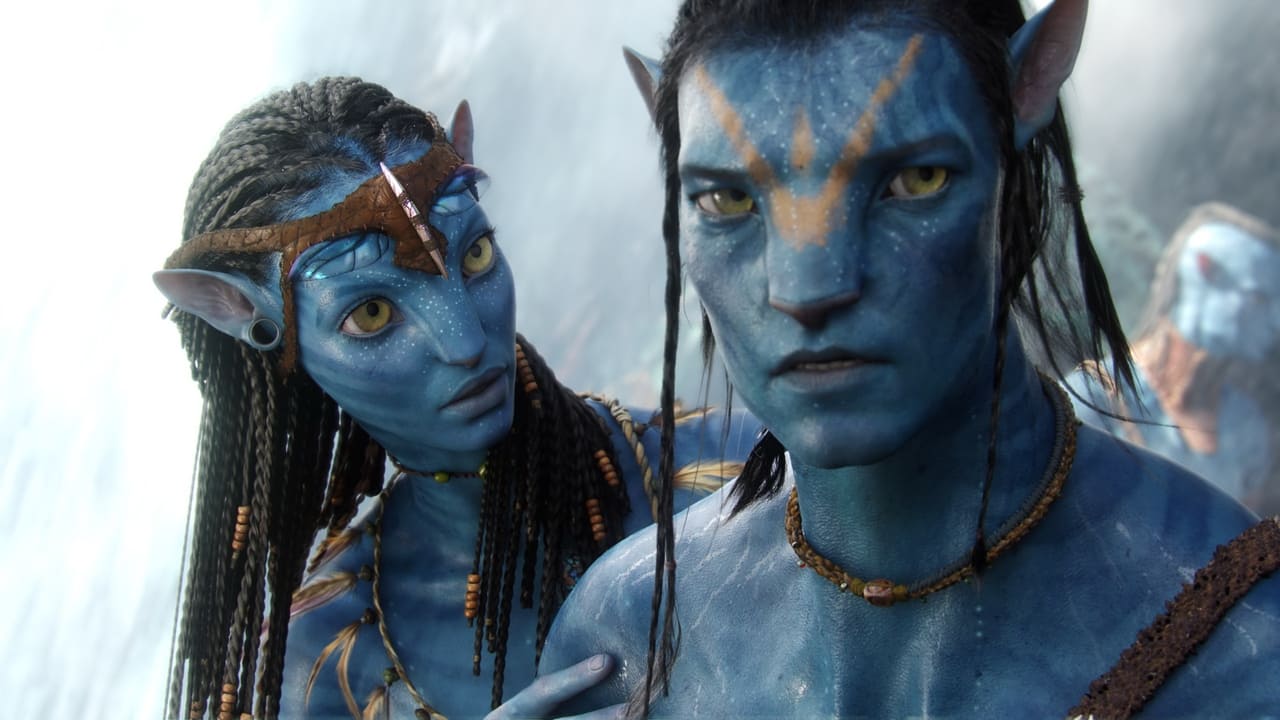
Capturing Avatar follows the long, intricate process behind the making of Avatar, tracing how the film moved from early development to the work on set and in the studio. It draws on footage from the project’s history and reaches back to material from Titanic in 1995, giving the documentary a wider view of James Cameron’s filmmaking methods. Interviews with cast, artists and other crew members help show how the production took shape from many different angles.
James Cameron is the filmmaker most closely associated with the project, and the documentary is built around the people who helped bring Avatar to life. Cast members and crew speak about the demands of the production, while artists and other contributors reflect on the technical and creative choices involved. As a behind-the-scenes film, it focuses less on performance than on the collaboration required to build a large-scale production.
Made in the United States and running 98 minutes, the film stays close to the practical side of moviemaking while still giving a sense of scale and ambition. Its tone is observational and informative, with an emphasis on process, craft and the relationship between technology and imagination. The result is a documentary that treats filmmaking itself as the subject.
James Cameron is the filmmaker most closely associated with the project, and the documentary is built around the people who helped bring Avatar to life. Cast members and crew speak about the demands of the production, while artists and other contributors reflect on the technical and creative choices involved. As a behind-the-scenes film, it focuses less on performance than on the collaboration required to build a large-scale production.
Made in the United States and running 98 minutes, the film stays close to the practical side of moviemaking while still giving a sense of scale and ambition. Its tone is observational and informative, with an emphasis on process, craft and the relationship between technology and imagination. The result is a documentary that treats filmmaking itself as the subject.
Reviews
7 / 10