

“The Artist Who Opposed The Soviet Dictatorship.”
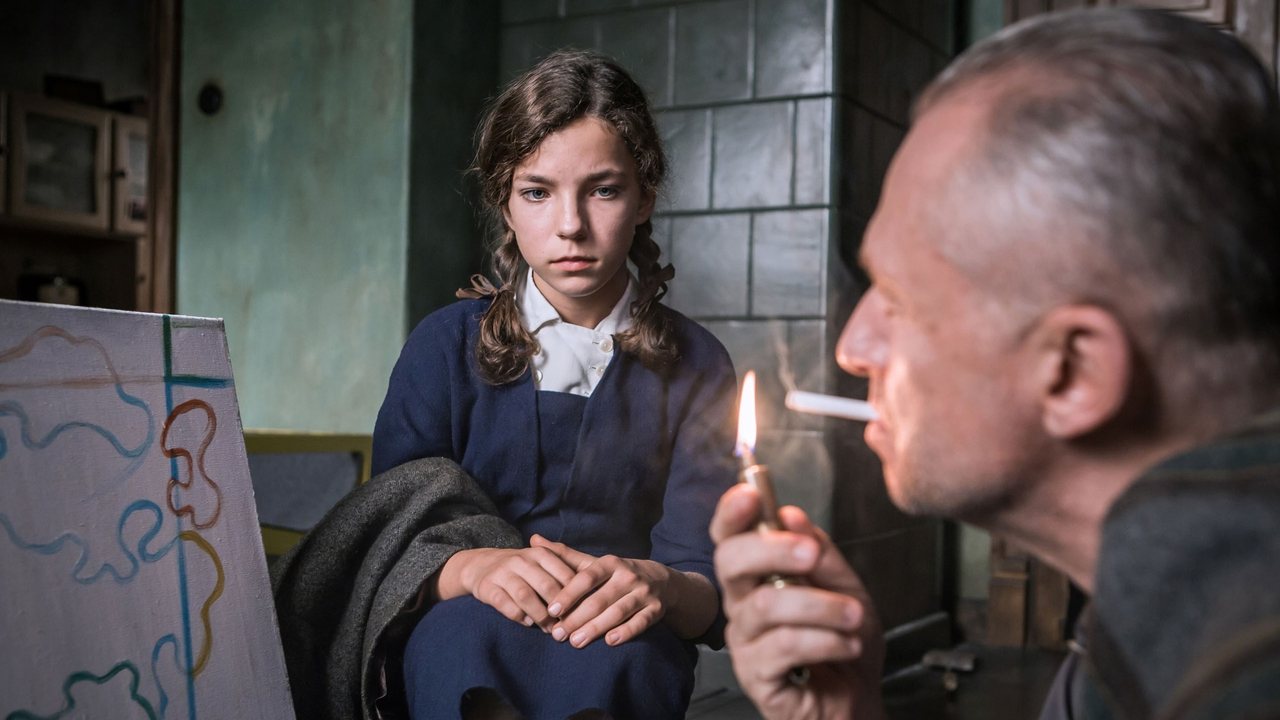
Afterimage follows painter Wladislaw Strzeminski as he resists the pressure to bend his work to Soviet doctrine in postwar Poland. As the state tightens its grip, he is pushed out of his university post and cut off from the institutions that once displayed his art. With a few students still beside him, he keeps trying to defend his independence even as official hostility grows. The film traces a struggle in which artistic conviction becomes a direct challenge to political control.
Andrzej Wajda directs this drama, shaping the story around Strzeminski, played by Boguslaw Linda, whose stubborn refusal to compromise gives the film its center. Zofia Wichlacz appears as a student who helps him continue his fight, while Aleksandra Justa is among the people drawn into his increasingly isolated life. The cast helps ground the conflict in personal terms, showing how pressure from the state reaches into classrooms, homes and friendships.
Set in Poland after the war, the film is steeped in a climate of surveillance, conformity and cultural punishment. Its tone is severe and reflective, with art presented as both a personal calling and a form of resistance. The result is a historical drama shaped by grief, principle and the cost of refusing silence.
Andrzej Wajda directs this drama, shaping the story around Strzeminski, played by Boguslaw Linda, whose stubborn refusal to compromise gives the film its center. Zofia Wichlacz appears as a student who helps him continue his fight, while Aleksandra Justa is among the people drawn into his increasingly isolated life. The cast helps ground the conflict in personal terms, showing how pressure from the state reaches into classrooms, homes and friendships.
Set in Poland after the war, the film is steeped in a climate of surveillance, conformity and cultural punishment. Its tone is severe and reflective, with art presented as both a personal calling and a form of resistance. The result is a historical drama shaped by grief, principle and the cost of refusing silence.
Reviews
6.5 / 10